JOINT FAMILY HEALTH MEDICAL CAMP AT MILDMAY HOSPITAL
Is a community outreach event designed to provide free or low-cost healthcare services to families
Area of Focus: Disease prevention and treatment
Overview
Detailed description
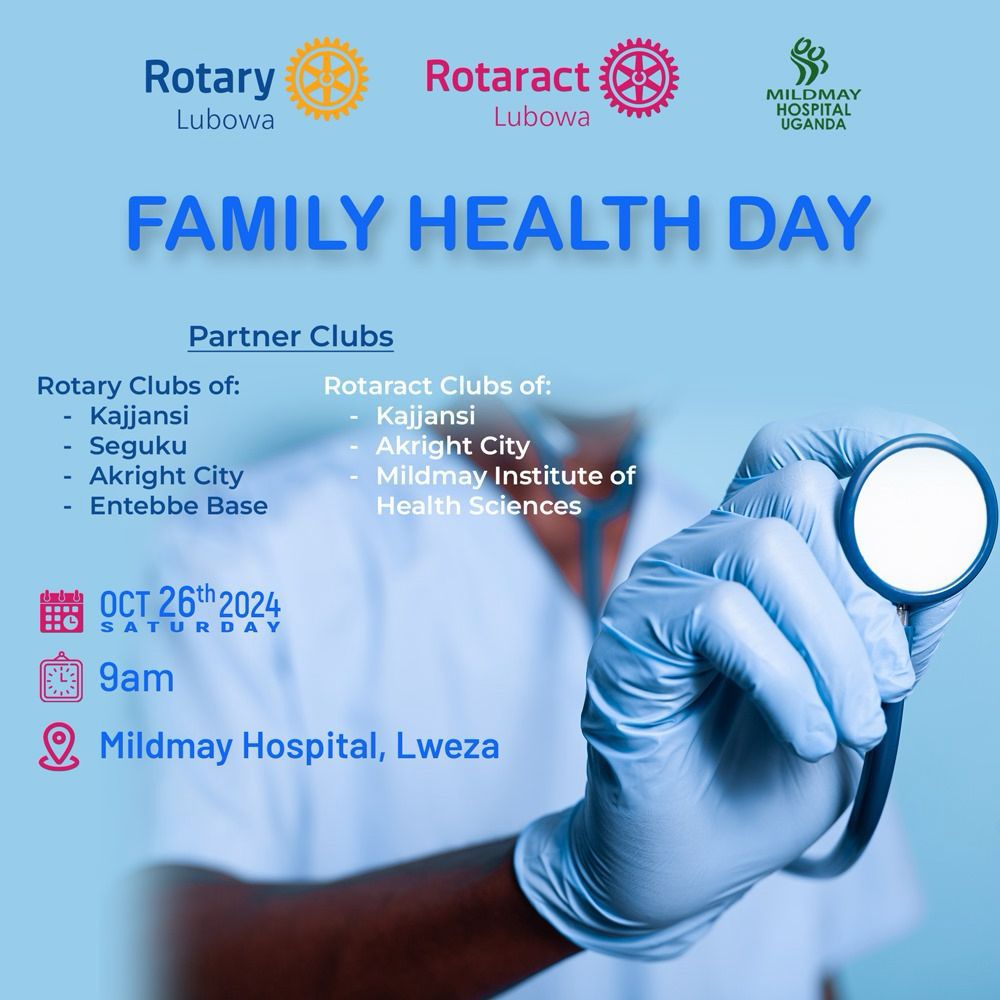
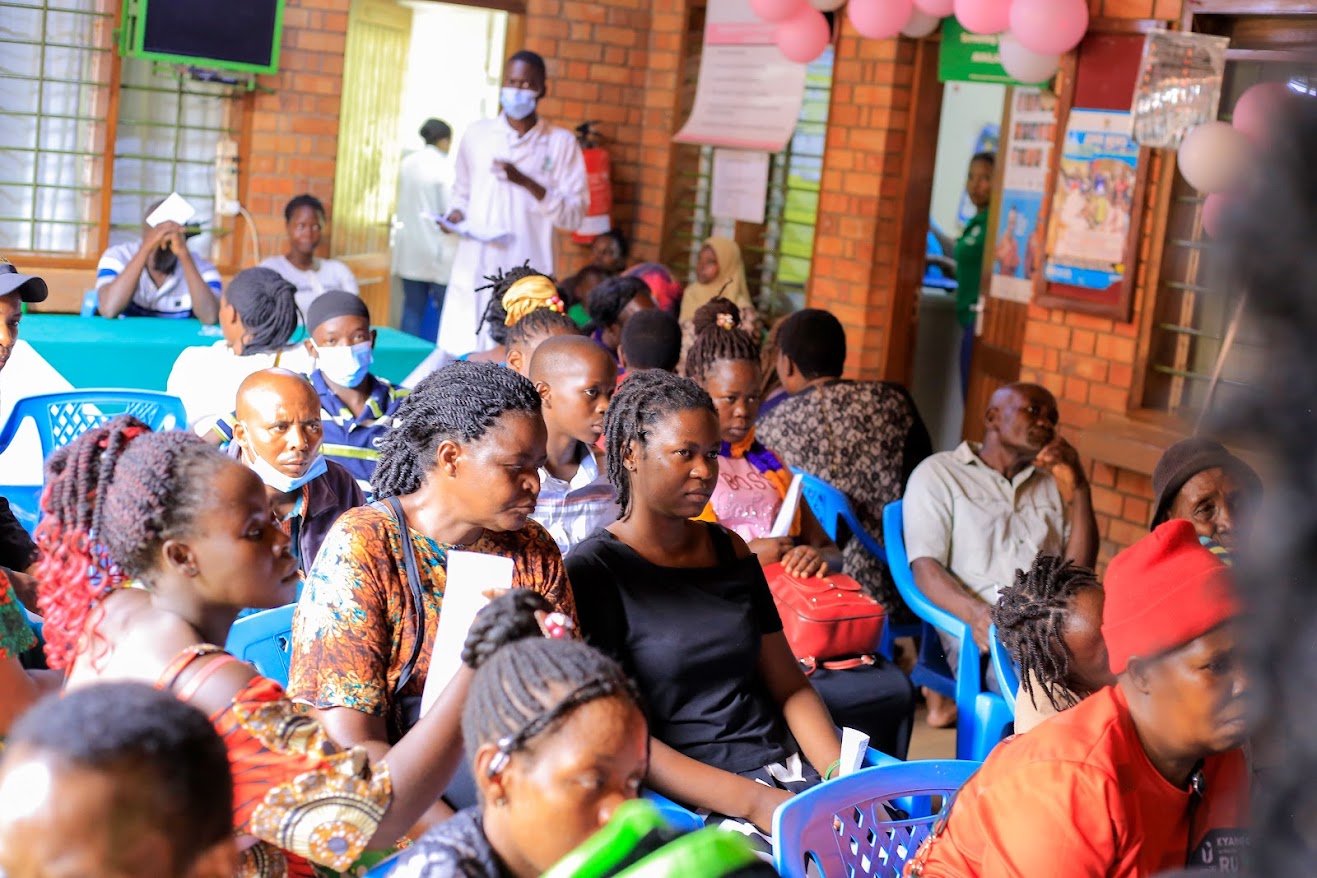
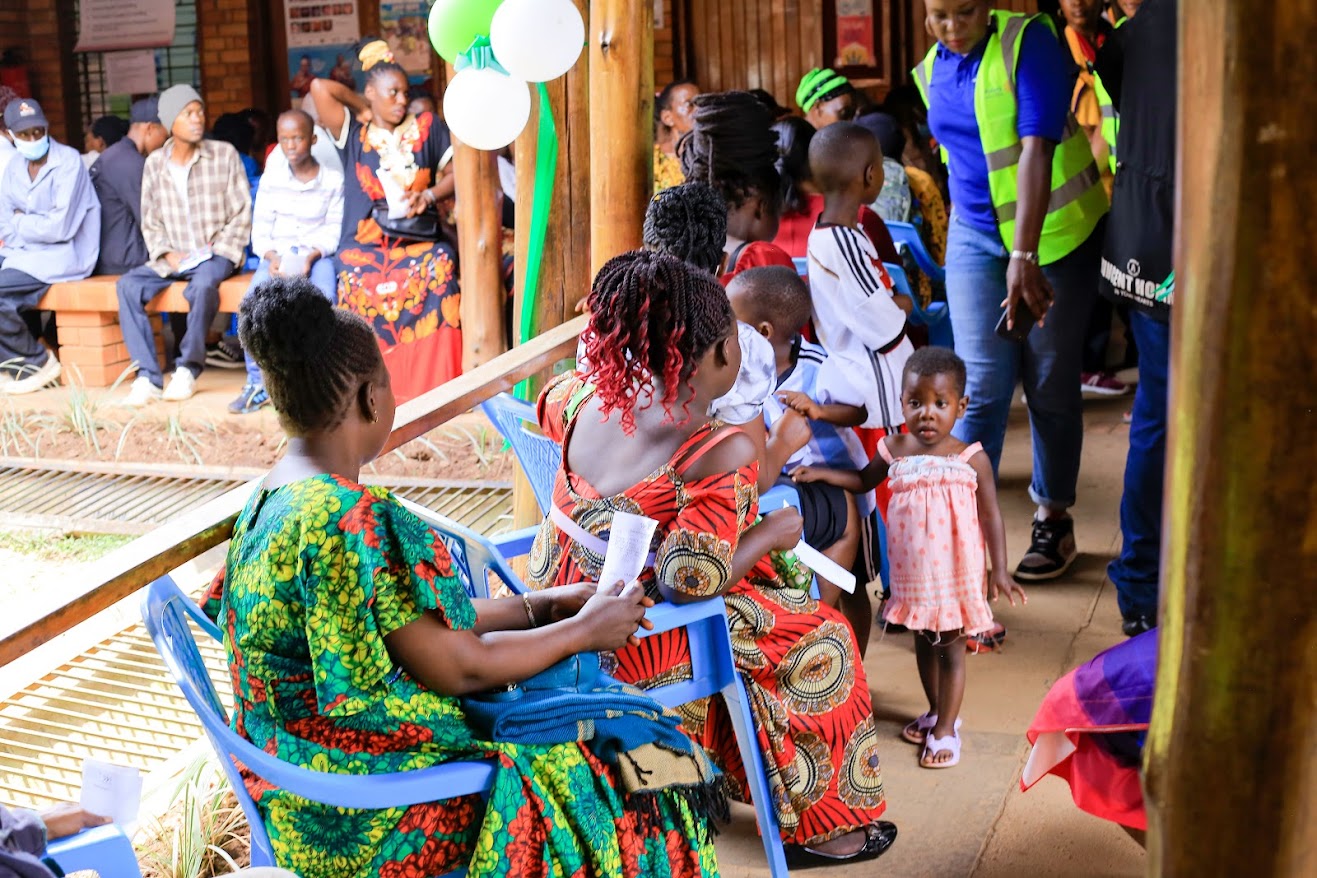
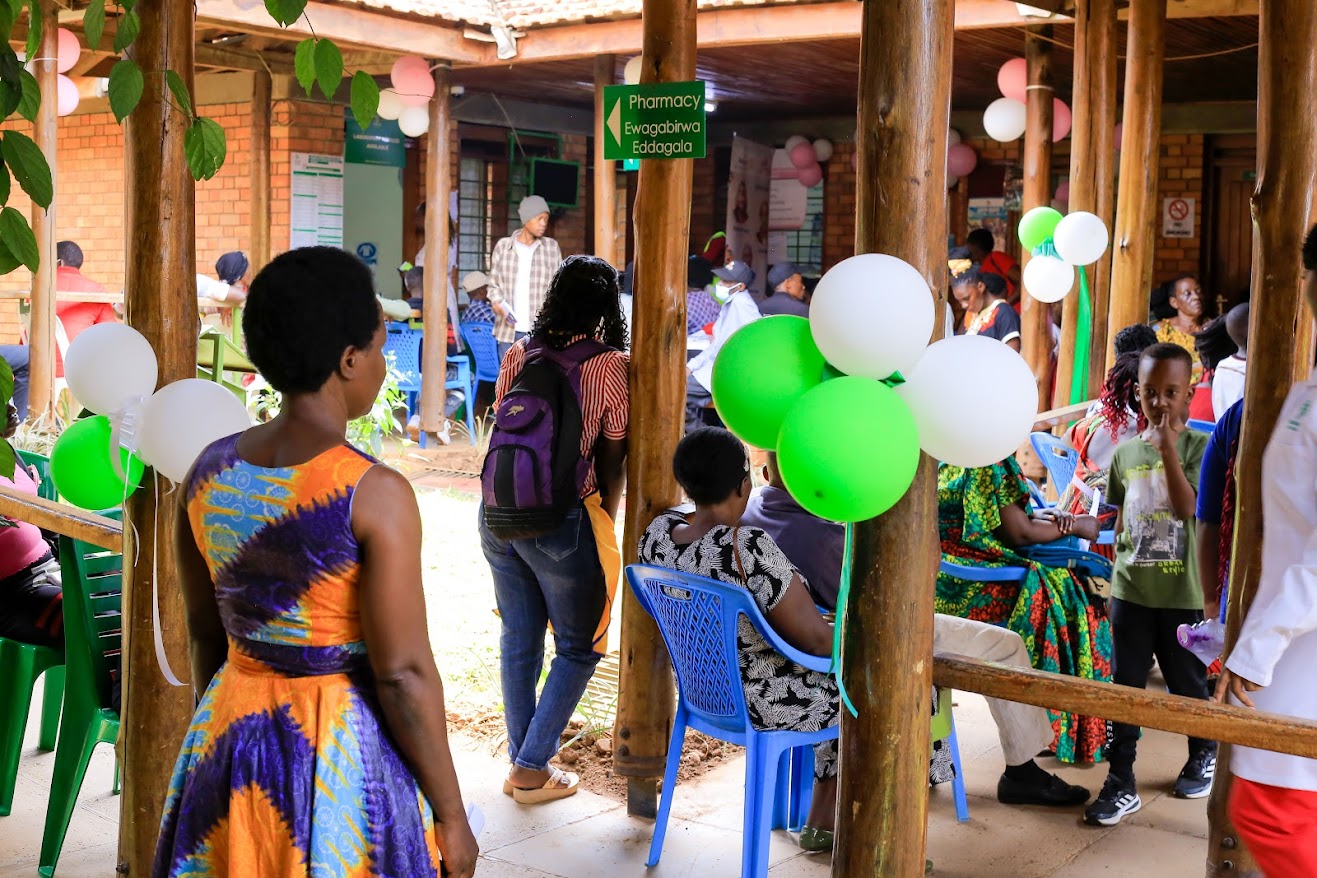
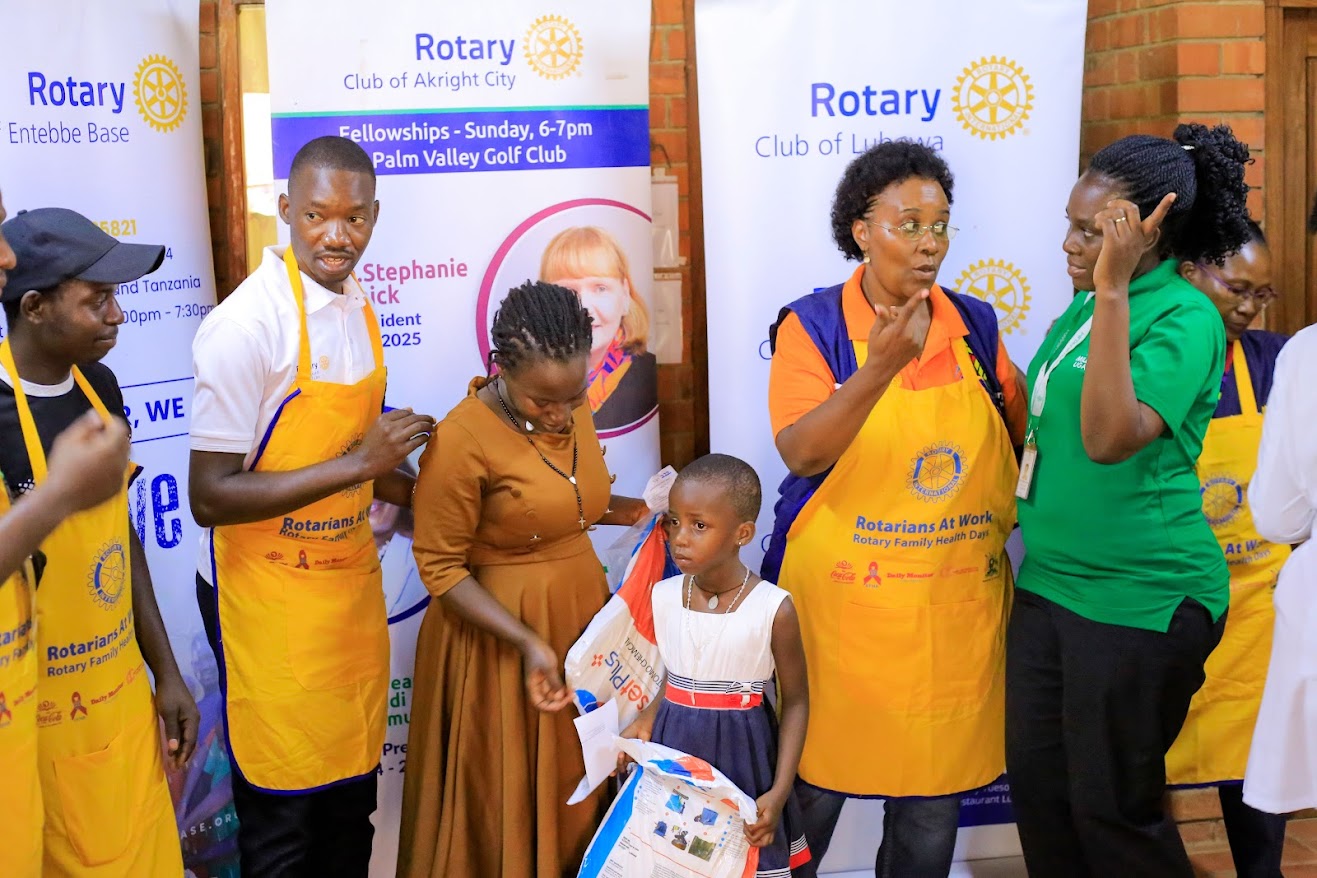
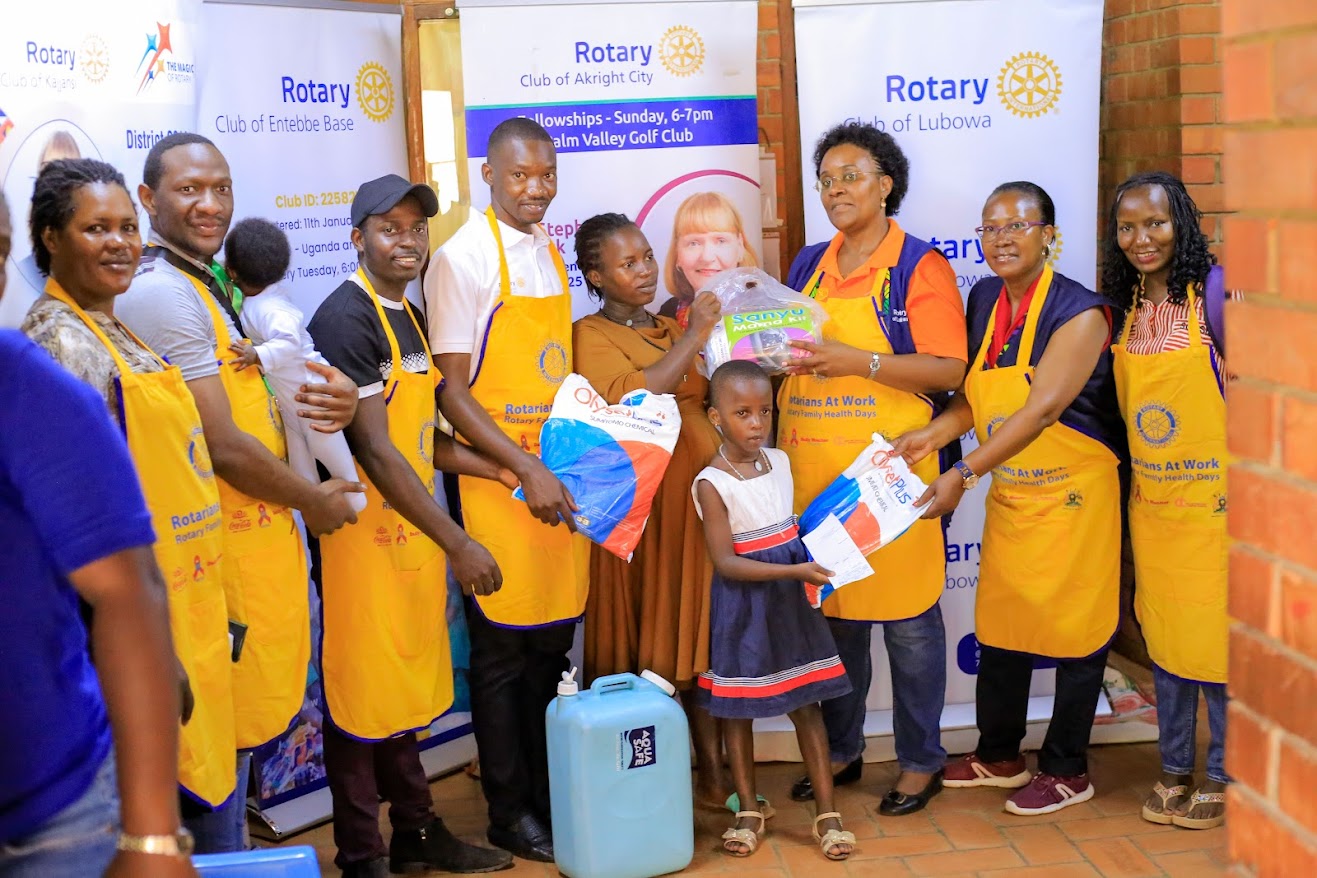
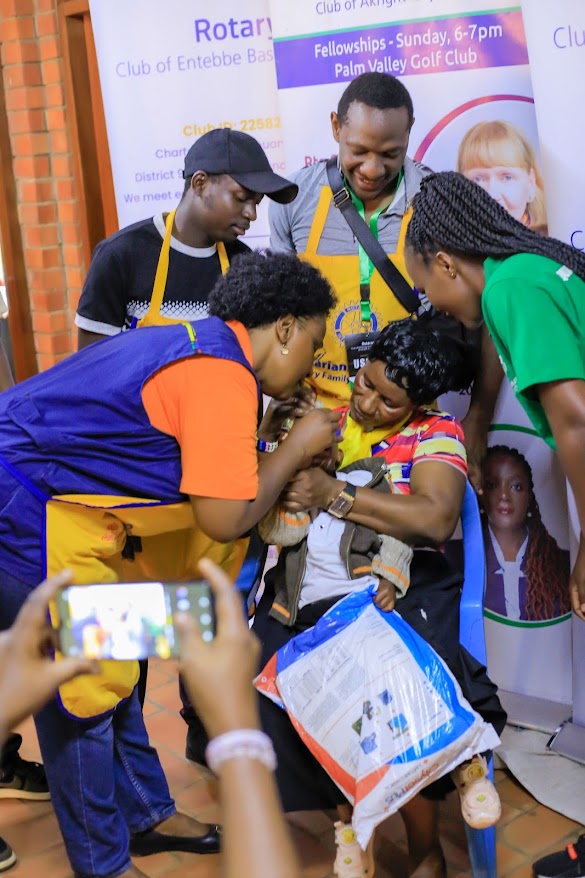
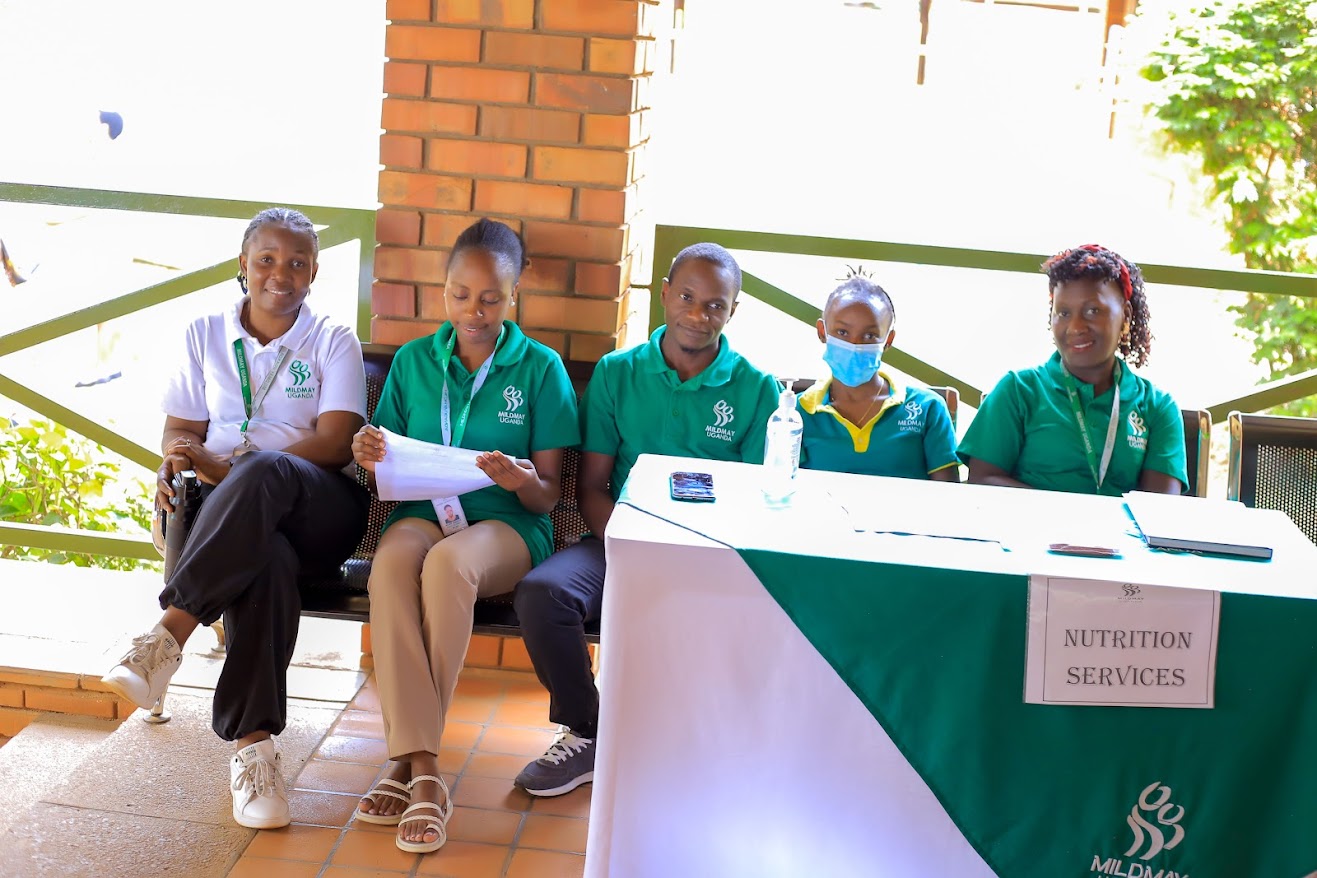
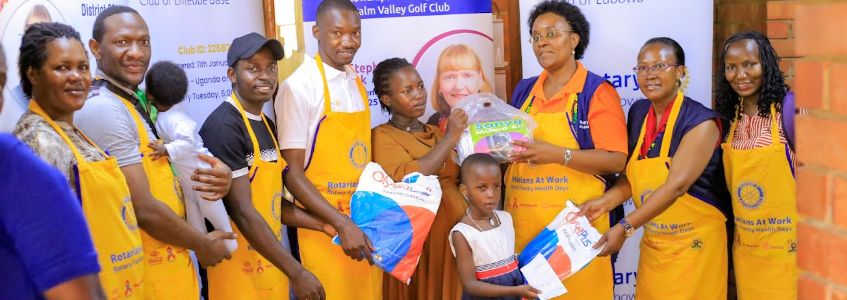
RC Lubowa in partnership with Mild May Hospital and other Rotary and Rotaract Clubs hosted a medical camp that treated over 375 patients. The Family Health Day medical camp is a community outreach event aimed at providing accessible healthcare services, promoting preventive care, and raising awareness about key health issues. These camps typically offer services such as vaccinations, health screenings, nutritional counseling, maternal and child health services, and general medical check-ups. The goal is to improve access to healthcare, encourage early detection of diseases, and educate families on healthy practices. By collaborating with healthcare providers and organizations, the camp fosters a culture of preventive healthcare, ensuring long-term health benefits for the community. This year, the partnering Rotary Clubs immunized children against polio, donated mosquito nets to mothers and children under 6 years, gallons to store drinking water and mama kits to expectant mothers.
Project category
Disease prevention and treatment, Community, Youth, Polio
Project location
Mildmay Uganda Hospital
Kampala - Entebbe Rd
Lweeza, Central Region,
Uganda
Community Needs, Project Impact and Sustainability
Community Assessment: How the project team learned about the community’s needs
Annually, the Rotary Club of Lubowa and Mild May Hospital carry out such Medical camps. This year, it was a joint partnership with other Clubs to increase impact. Mild May Hospital has statistics about the community's needs for the Family Health Day project through direct engagement with community members, health surveys, and discussions with local leaders and healthcare providers. They do carry out research and as well conduct focus group discussions and interviews to identify prevalent health issues, barriers to accessing healthcare, and gaps in health education. For the Rotary and Rotaract clubs, analyzing local health data and collaborating with healthcare professionals provides insights into the community's specific health challenges, allowing us to look for sponsors for the medicines; and to tailor the project to address their needs effectively. This comprehensive approach ensures that the Family Health Day project is relevant and beneficial to the community.
Project Impact: How the project will help the community after the project ends
After the Family Health Day project ends, the community will experience lasting benefits through improved health outcomes and increased health literacy. The project will have provided essential services, such as vaccinations and health screenings, leading to a decrease in preventable diseases and health complications. Families will have gained valuable knowledge about nutrition, hygiene, and preventive care, fostering healthier lifestyles and encouraging regular health check-ups. The engagement of local healthcare providers and volunteers will enhance the community's capacity to address health issues, ensuring ongoing support and resources. Overall, the project will contribute to a culture of health awareness and proactive healthcare-seeking behaviors that benefit the community for years to come.
Sustainability: How the benefits of the project will continue afterward
The benefits of the Family Health Day project will continue through strengthened community awareness and improved access to healthcare. By educating families on preventive health practices and the importance of regular check-ups, the camp encourages ongoing self-care and health-seeking behaviors. Trained healthcare workers and local volunteers will be empowered to continue offering guidance and basic health services within the community. Partnerships established with local health providers and organizations during the event can ensure sustained access to medical resources and follow-up care. Additionally, the emphasis on vaccinations and early disease detection helps build long-term health resilience, reducing the burden of preventable diseases.